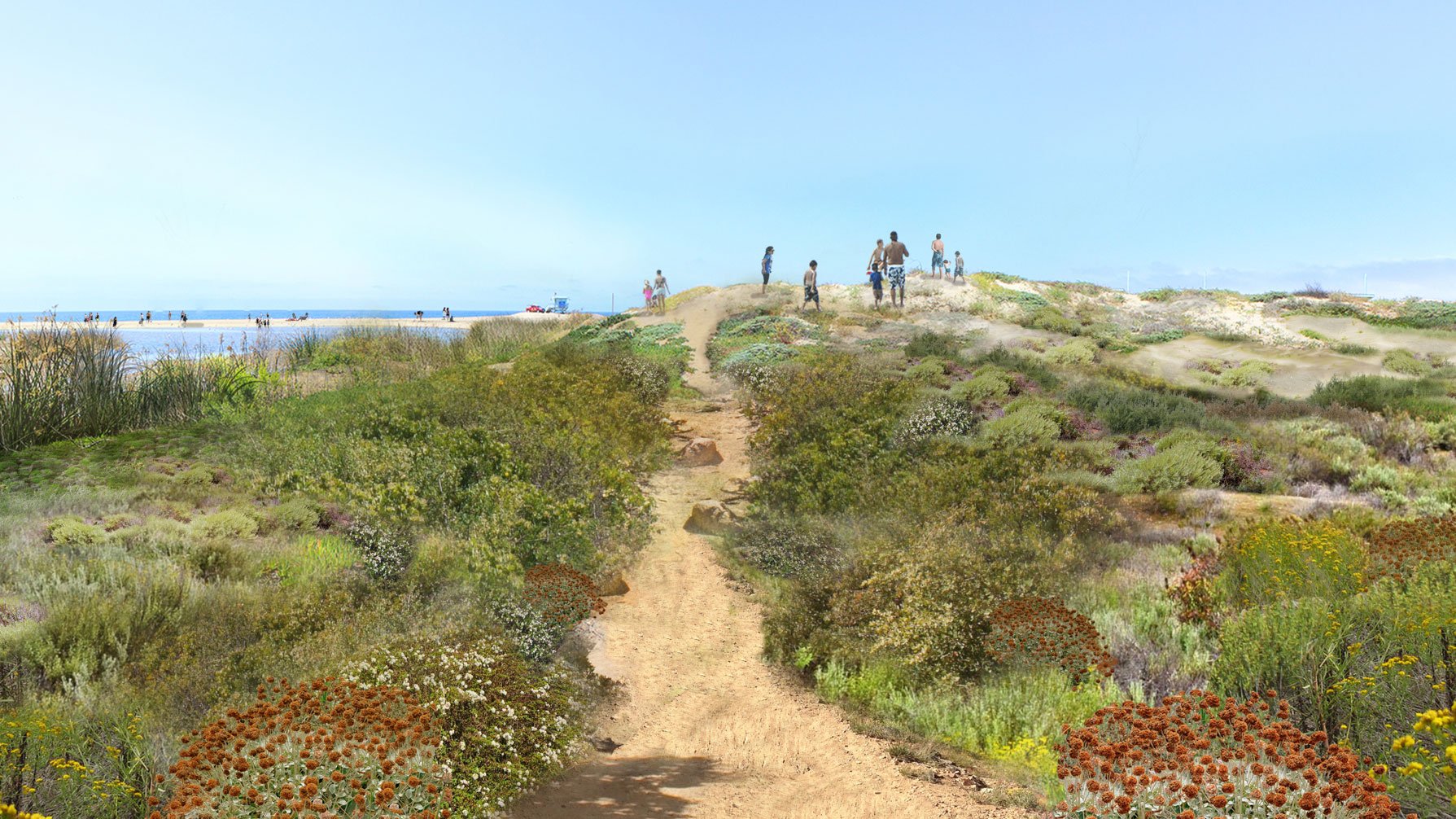
Malibu Living Shoreline Project
MALIBU, CALIFORNIA
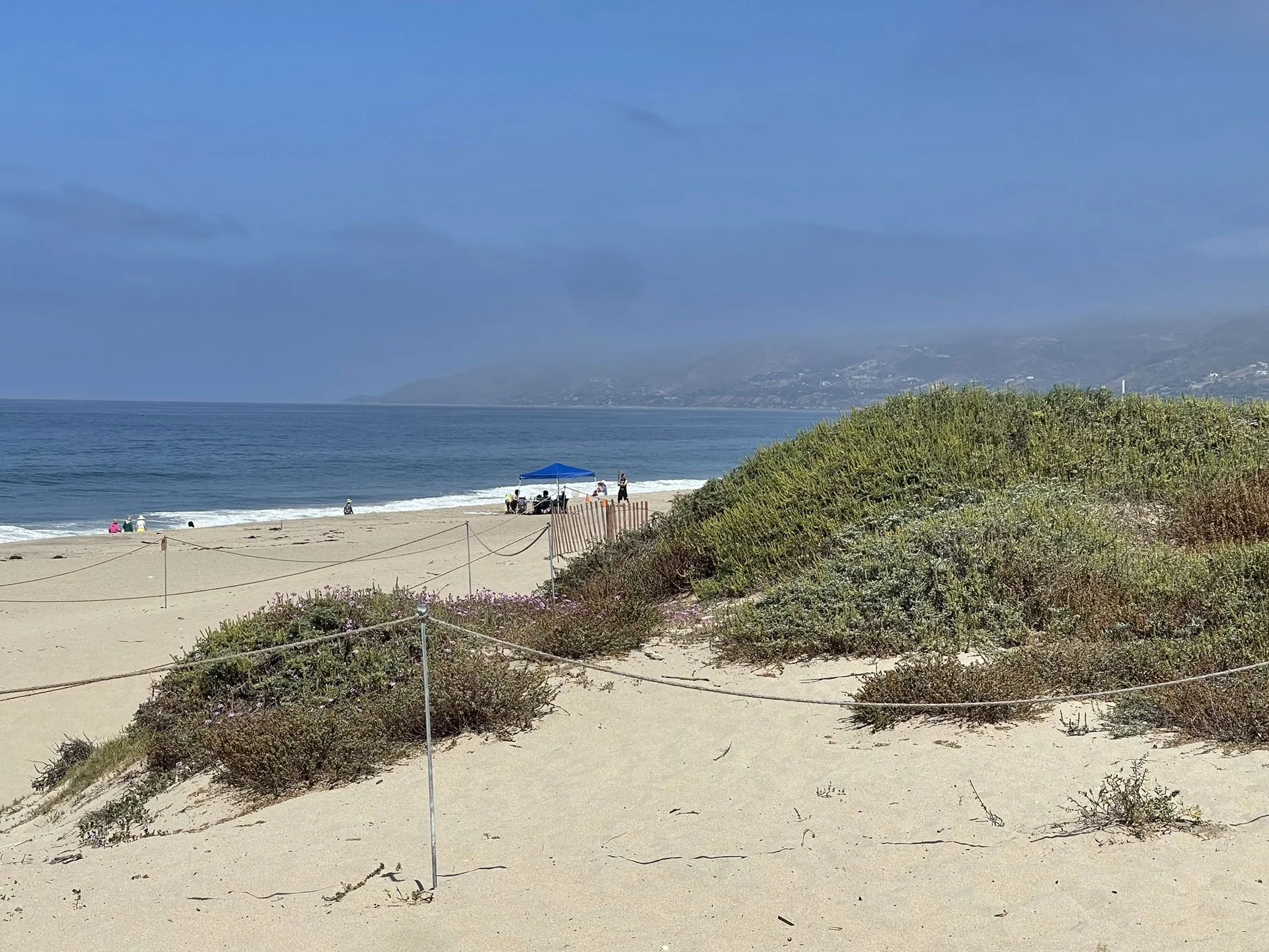
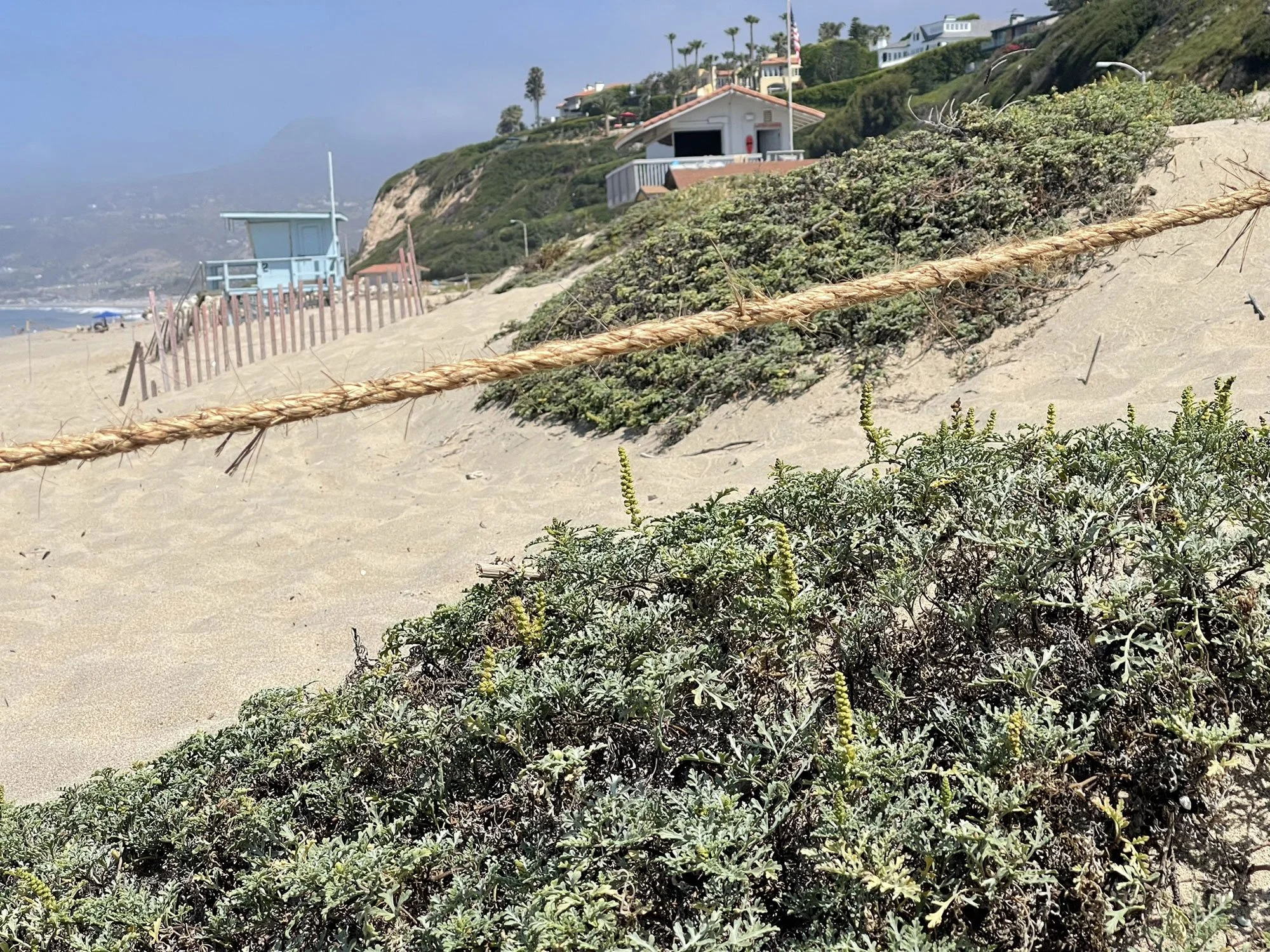
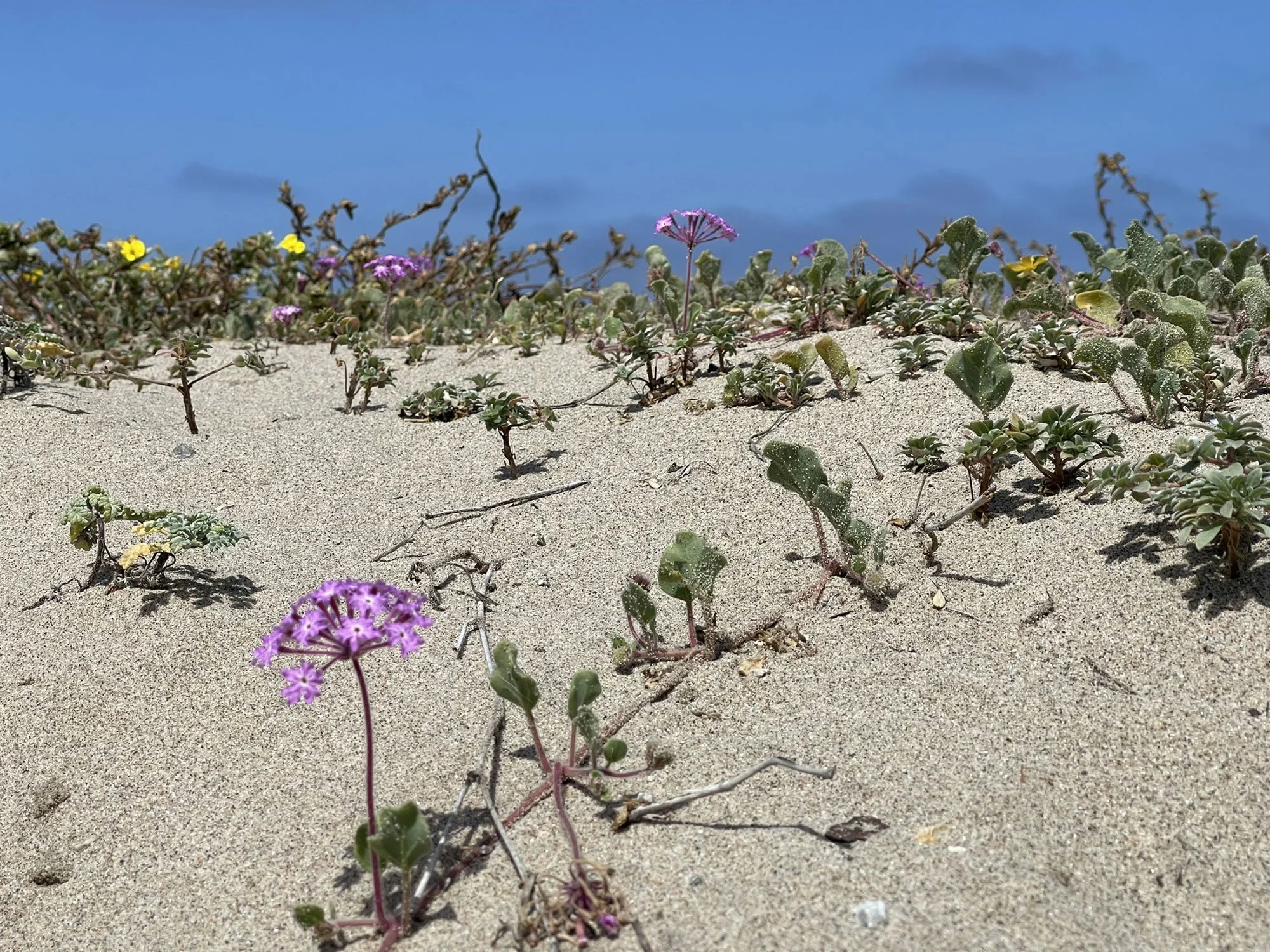
Collaboration was central to the Malibu Living Shoreline Project, an effort to test a lighter, more ecologically grounded model of dune restoration on Southern California beaches. Rather than relying on heavy equipment or major mechanical reshaping, the project was developed to work with natural processes, demonstrating how wind, sand, planting, and stewardship can help rebuild coastal habitat and strengthen shoreline resilience over time.
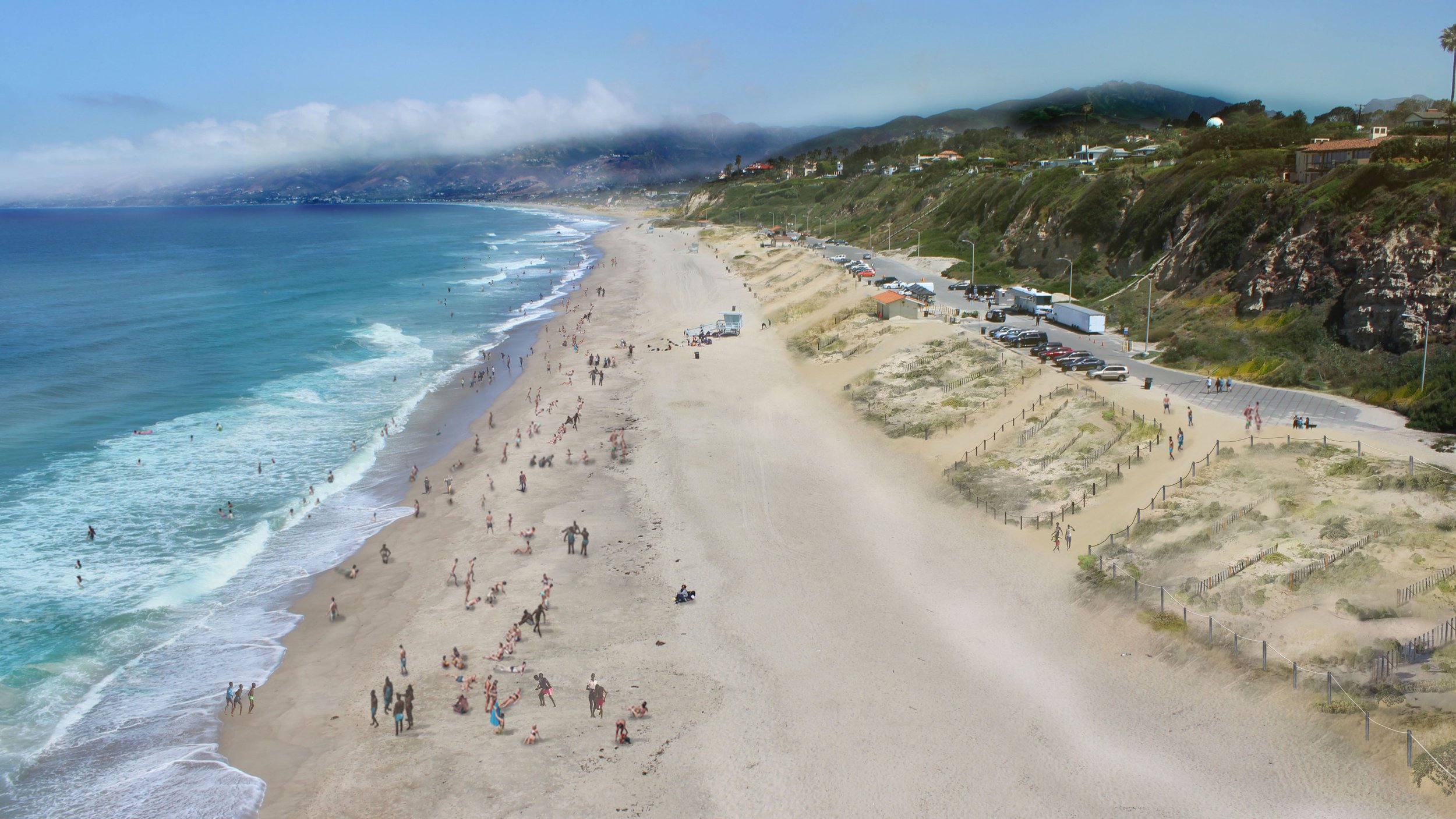
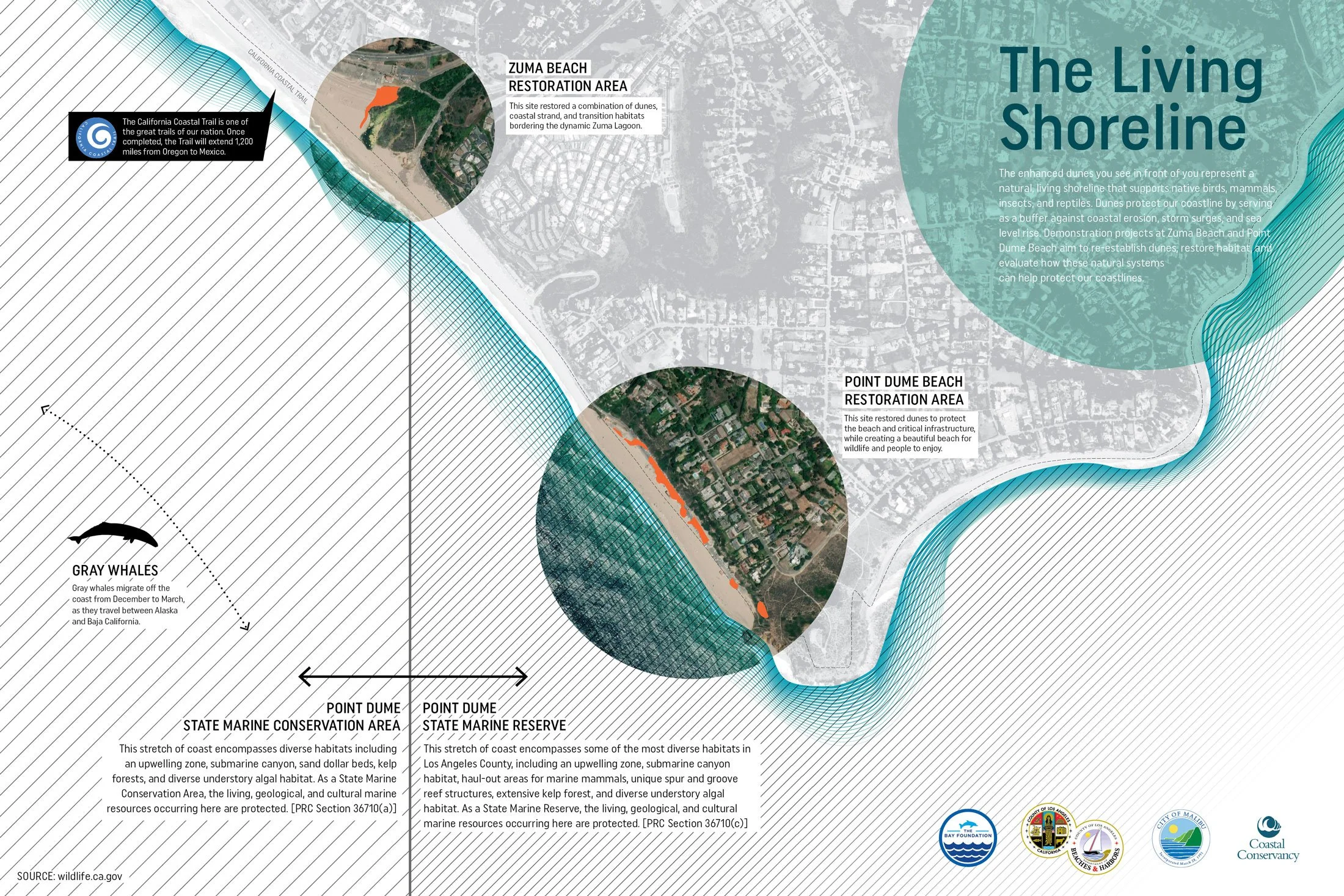
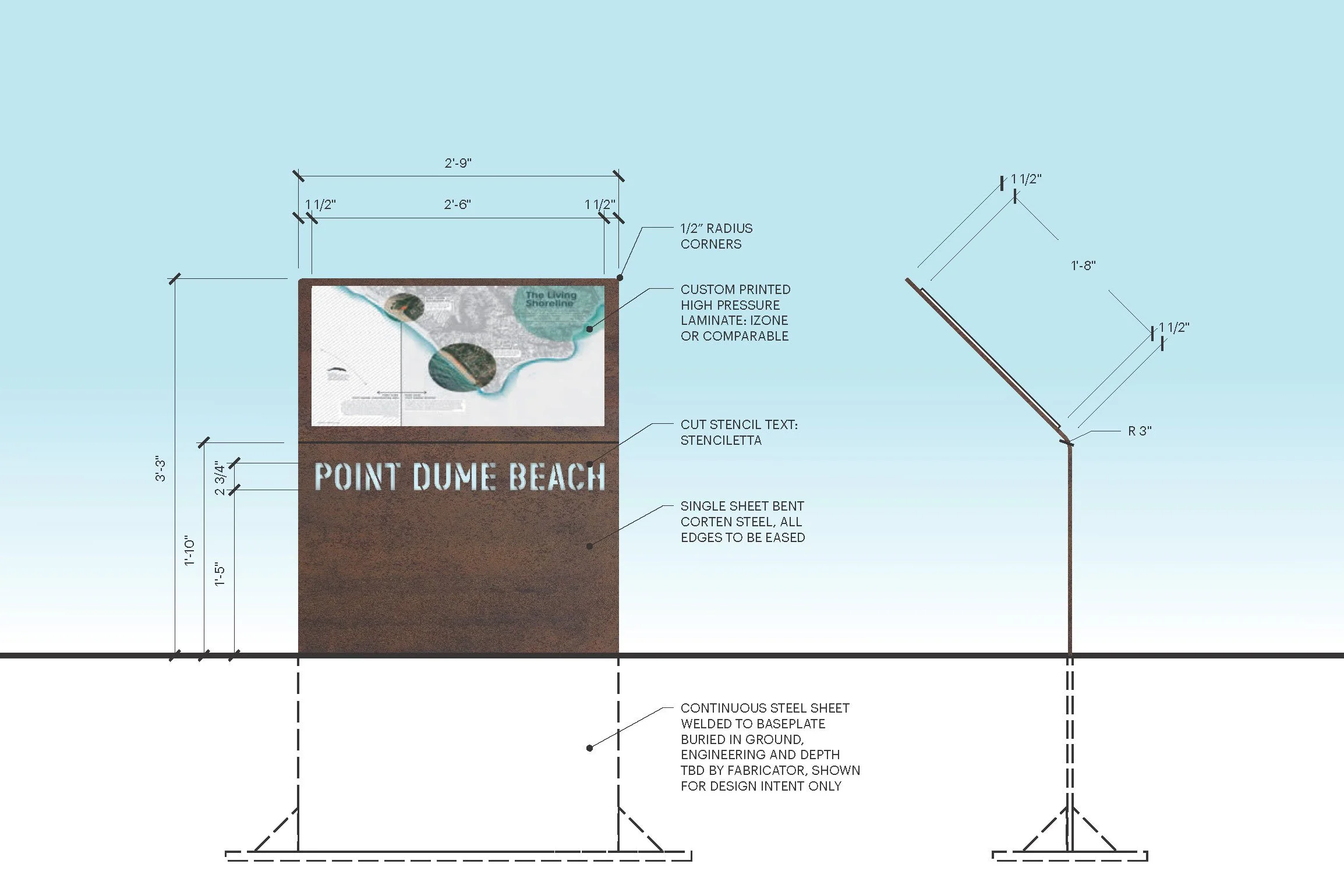
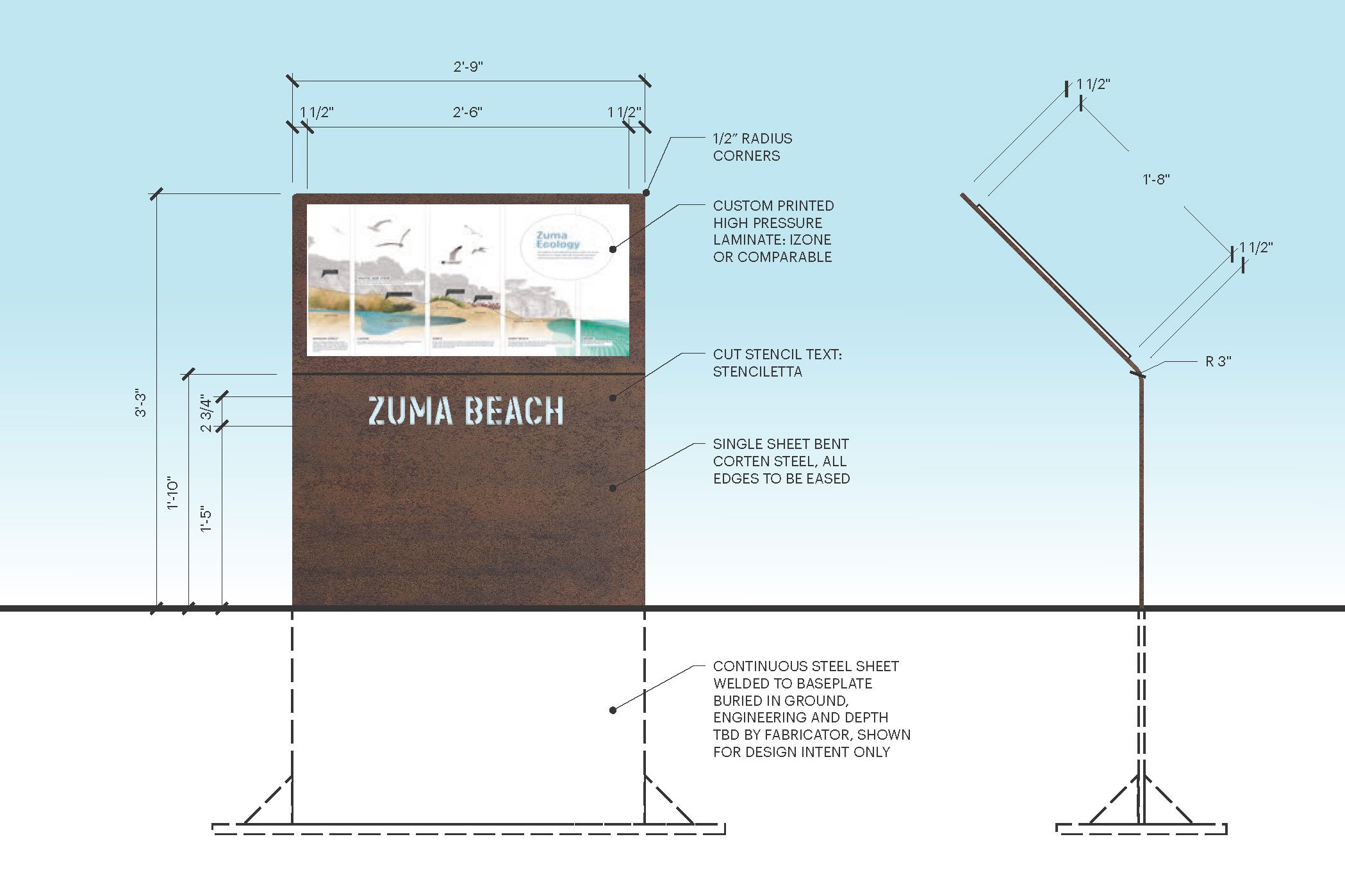
Building on an earlier pilot in Santa Monica, the work at Point Dume Beach and the Zuma Lagoon area converts roughly three acres of groomed sand into restored dune landscape and habitat. Interpretive signage was developed to situate throughout the project.
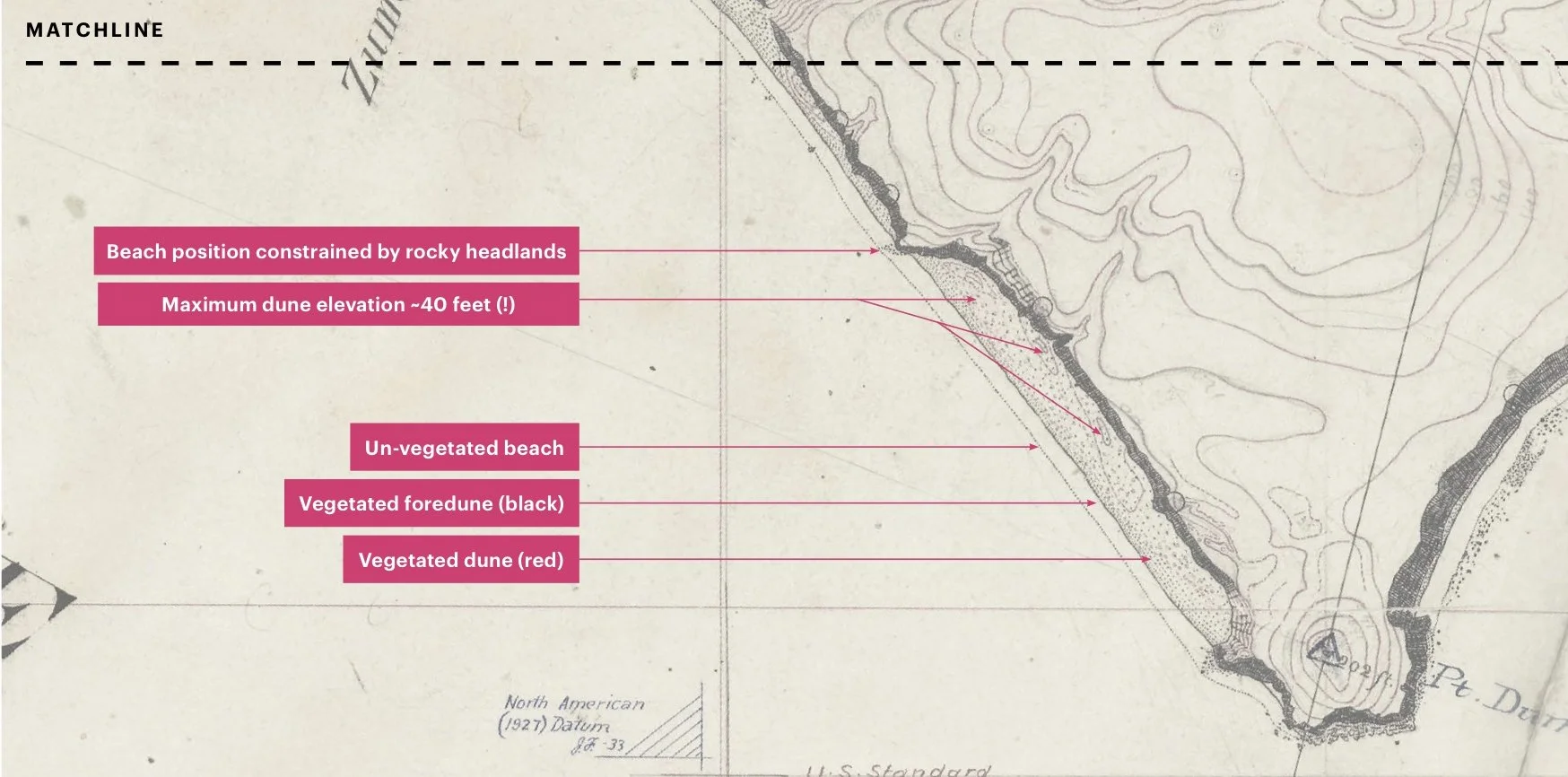
The project stands apart as a practical example of living infrastructure: a lower-impact alternative to more costly greyscape or hybrid coastal defense measures, and one that has helped broaden public understanding of what restoration can achieve on an actively used beach.
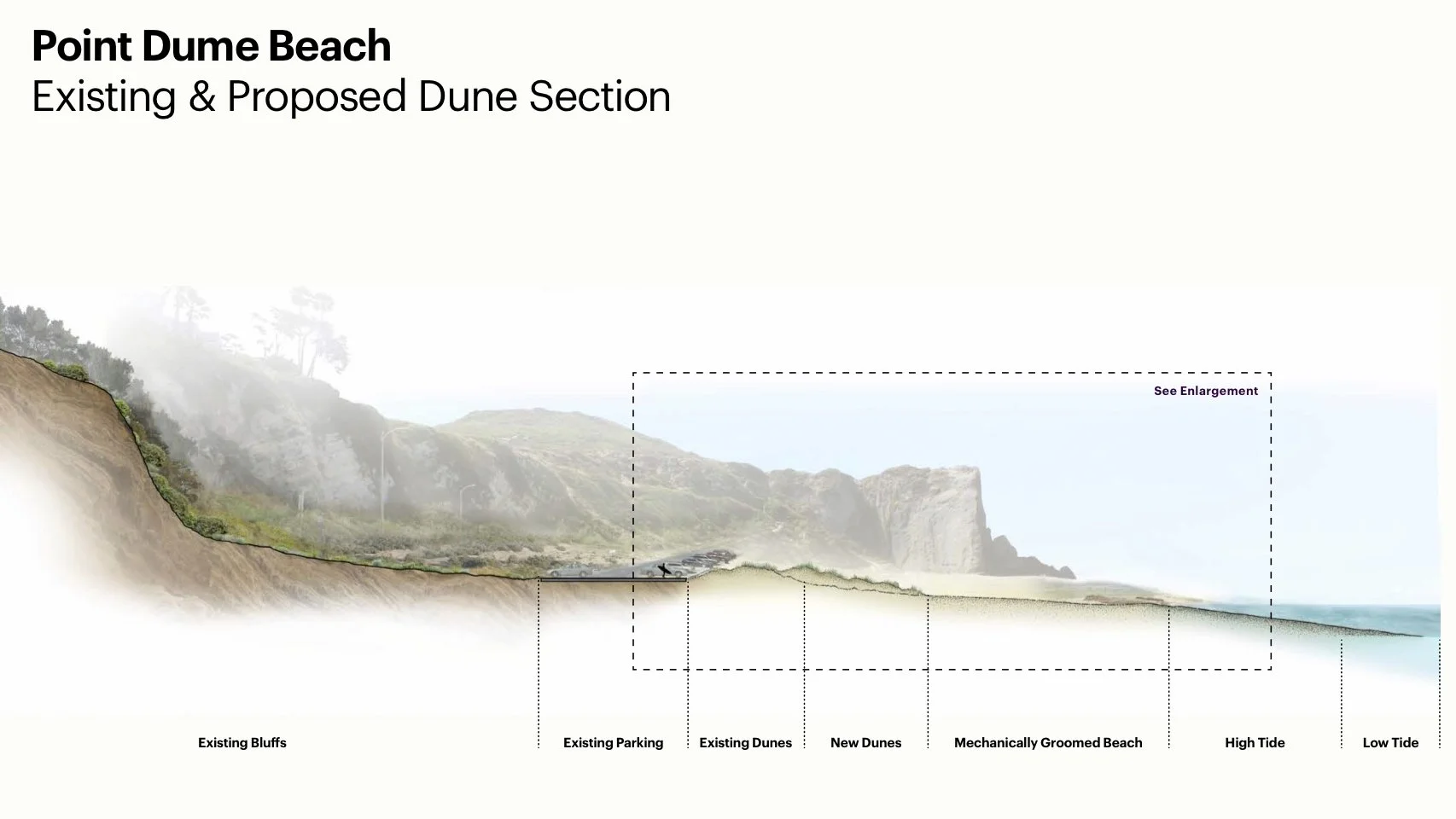
Peter Emerson led the project from design to completion while employed at RIOS.